Connecticut abolished the death penalty in 2012, but state power over life and death still can operate behind locked doors.
A death in the Department of Corrections (DoC) custody may occur in a cell, medical unit, hospital, transport vehicle, or restrictive-housing unit, yet the public may receive only a number rather than the facts surrounding the death.
Connecticut reported 33 DoC deaths in 2024 and nearly two dozen more in 2025, including five reported suicides in 2024. People are dying in the State of Connecticut corrections department and the public has not received a meaningful breakdown showing how many people were awaiting trial, where deaths occurred, how long each person had been held, the cause and manner of death, medication history, or the final findings of any investigation.
Without those facts, the public cannot know whether Connecticut protected people in custody or simply counted deaths afterward. A government cannot take away liberty, control every condition of confinement, and then deny the public the facts when a person dies.
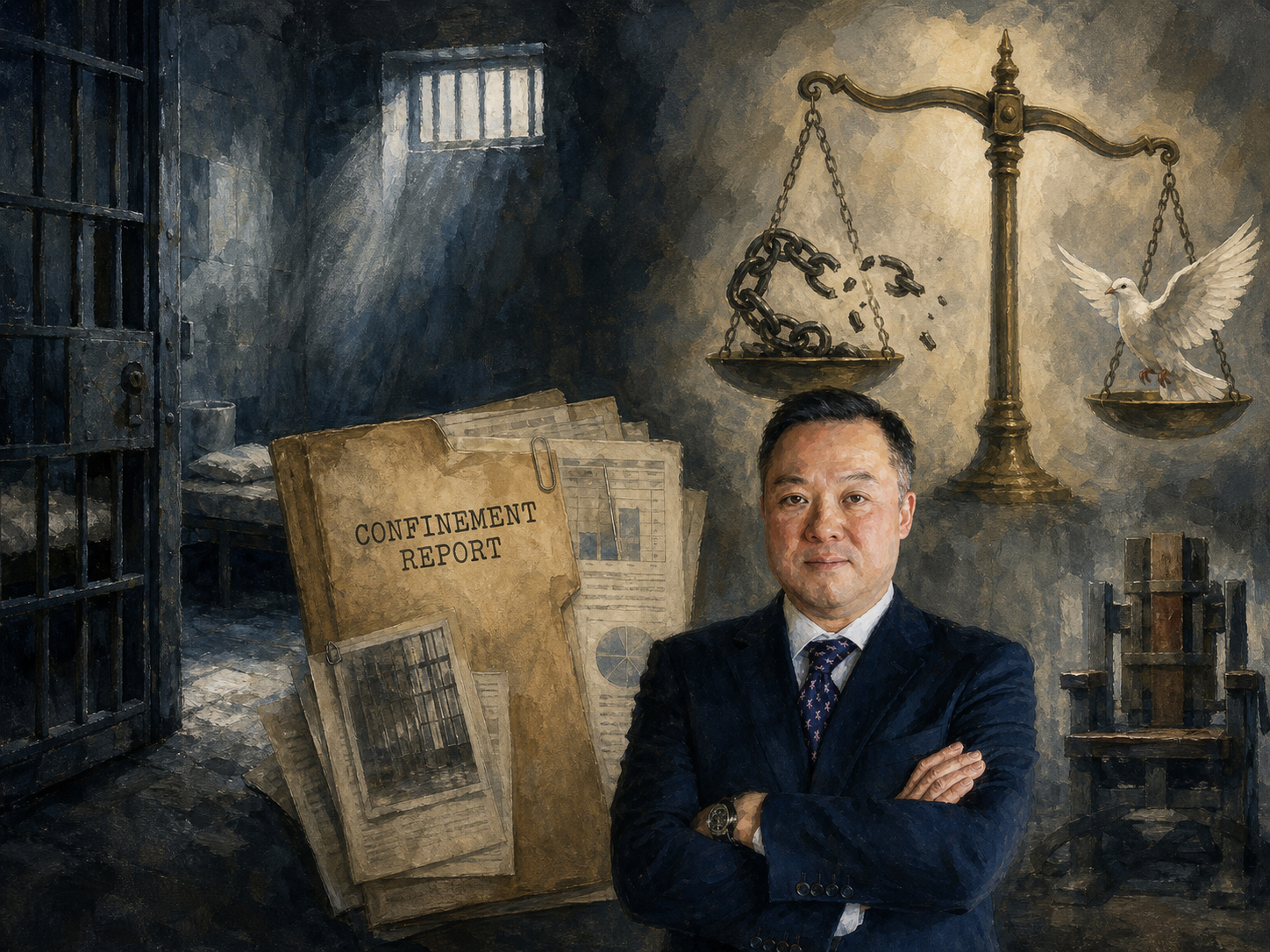
Where is Attorney General William Tong? As Connecticut’s chief legal officer, Tong has general supervision over state legal matters and represents the public interest in civil matters involving the state. Has the Attorney General’s Office demanded a full accounting of each custody death, including custody status, facility, cause, medication history, toxicology, and findings? Did Connecticut detain people before trial and fail to keep them alive long enough to face a judge, jury, or a chance to go home?
Connecticut’s DoC holds those convicted and awaiting trial. The state cannot combine both populations into one death total and call that public disclosure. The populations face different risks. National data recognize the difference. The federal government separately tracks state-prison and local-jail deaths. The latest standardized data show mortality rates of 330 deaths per 100,000 people in state prisons and 167 per 100,000 in local jails.
Connecticut has not released the information required for a valid comparison. A number without those facts is not transparency. It is a shield. Connecticut ended the formal death penalty. People who have never been convicted must not disappear into a death count behind correctional walls.
The first days in DoC custody are medically dangerous. Antidepressants carry FDA boxed warnings increase suicidality. The warning establishes that an antidepressant increases risk of suicide, the FDA labeling calls for close monitoring of treatment.
People may arrive on several psychiatric drugs, including antidepressants, antipsychotics, benzodiazepines, stimulants, mood stabilizers, sleep drugs, seizure drugs, or addiction-treatment medications or traditional prescription medications that require oversight. Others face missed doses, abrupt discontinuation, withdrawal, new prescriptions, or risky combinations.
Connecticut cannot explain a custody death by citing “mental illness” or “suicide” while withholding medication records, treatment timelines, toxicology, and clinical decisions. A suicide classification identifies the manner of death; it does not answer whether medication changes, withdrawal, inadequate monitoring, or failures in care contributed.
The Conditions of Confinement Report, released January 20, 2026, concluded that DoC was operating in a state of “sustained institutional failure” and noted mental health complaints were the largest category received by the Ombuds during the reporting period highlighting psychiatric-medication management and mental health classifications.
Connecticut should publish annual record of DoC death: custody status; facility; admission date and custody length; cause; last medical, mental-health, and staff contact; psychiatric and addiction medications; medication changes and withdrawal treatment; toxicology; emergency response; restrictive-housing status; investigation findings; and corrective actions.
The barrier is public disclosure. A death count without a breakdown prevents oversight; disclosure permits scrutiny, comparison, and reform. These records should permit independent review without exposing private medical details. Aggregate totals are not enough. Families, lawmakers, journalists, and the public need consistent data that show whether deaths concentrate in particular facilities, during the first days of detention, after medication changes, or among people who awaiting trial. Connecticut can protect privacy while publishing accountability data.
It should be of interest to Connecticut taxpayers that Bansley Law LLC is paid about $800,000 annually to operate the Inmate Legal Assistance Program, or ILAP. The Correction Ombudsman found that the program received more than 1,200 complaints over two years but initiated only six litigation matters, under 1% of cases. The Ombudsman asked DoC to suspend the contract after Bansley initially refused subpoenas seeking program records and staff testimony.
Where is Attorney General William Tong on Bansley contract? Has the Attorney General’s Office reviewed the contract, performance data, subpoena dispute, Ombudsman’s findings, and legal-access needs? Does Tong support suspension, termination, reform, or renewal? Tong should state whether Connecticut has met its duty to protect people in DoC custody and account for every death. That duty applies with special force to any person who died before receiving a trial.
AbleChild is a 501(3) C nonprofit organization that has recently co-written landmark legislation in Tennessee, setting a national precedent for transparency and accountability in the intersection of mental health, pharmaceutical practices, and public safety.
What you can do. Sign the Petition calling for federal hearings!
Donate! Every dollar you give is a powerful statement, a resounding declaration that the struggles of these families will no longer be ignored. Your generosity today will echo through generations, ensuring that the rights and well-being of children are fiercely guarded. Don’t let another family navigate this journey alone. Donate now and join us in creating a world where every child’s mind is nurtured, respected, and given the opportunity to thrive. As a 501(c)3 organization, your donation to AbleChild is not only an investment in the well-being of vulnerable children but also a tax-deductible contribution to a cause that transcends individual lives.