Presley Gerber, 27, the son of Cindy Crawford and Rande Gerber, was a model and mental-health advocate. Through Mental Health Mondays, Presley discussed panic attacks, depression, addiction and the pressure on men to conceal emotional distress.
Presley died September 20 at a rehabilitation facility. Police said the death was being investigated as a suspected overdose; an official cause has not been released.
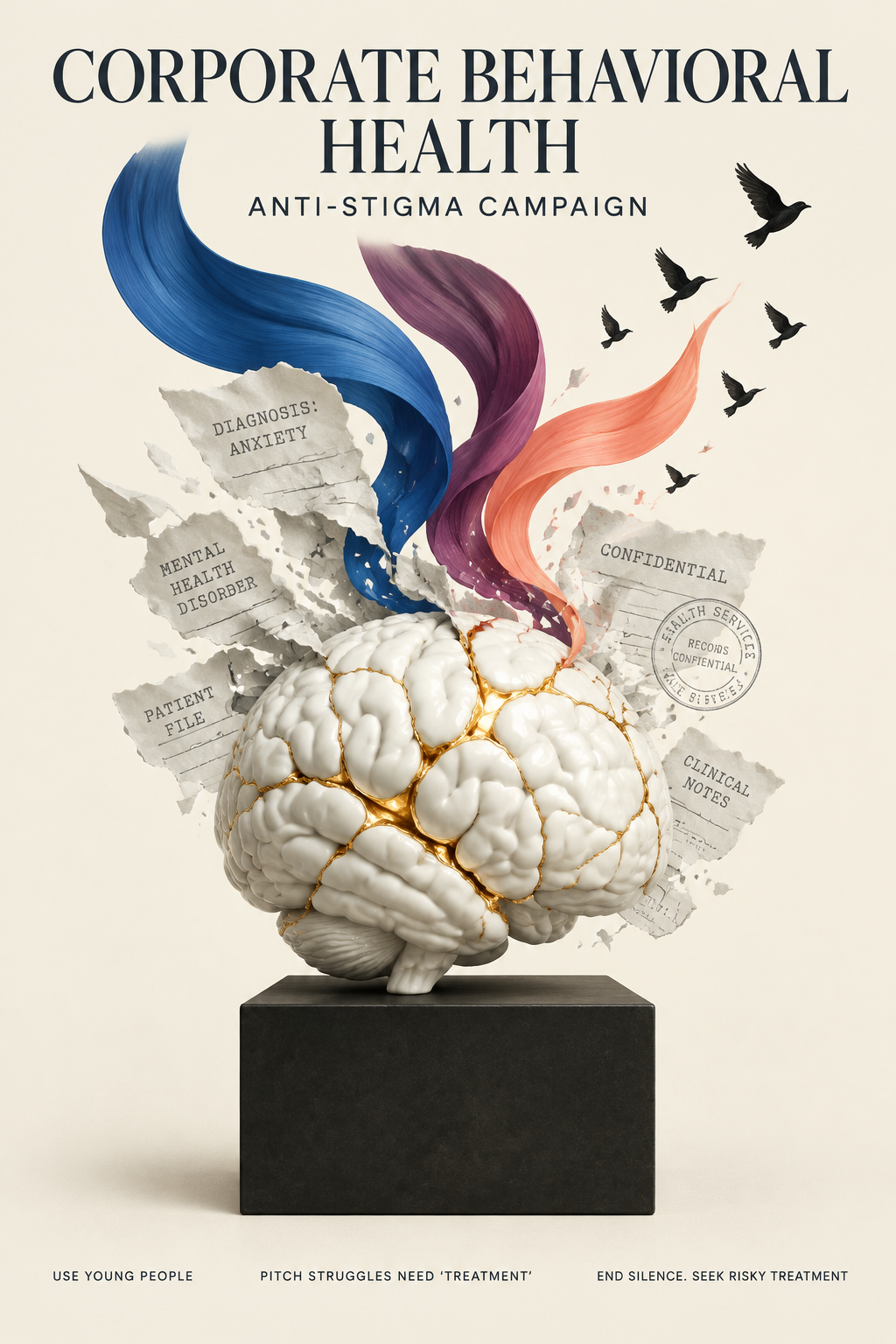
Stigma and lack of access are repeatedly presented as the central dangers facing young people in distress urging them to seek mental health “treatment.” Presley’s story raises a harder question: who benefits when private suffering becomes a public campaign for psychiatric intervention?
In 2023, Presley appeared on Studio 22, an iHeartRadio-distributed podcast, and called mental health a “24/7 job.” The interview discussed the developing Mental Health Mondays project, an online series built around personal experiences with therapy, treatment and “Western medicine.”
What role did iHeartRadio’s commercial reach play in turning Presley’s private treatment history into a public mental-health narrative? iHeartMedia’s PAC is registered with the Federal Election Commission as a lobbyist/registrant PAC. During the 2023–24 cycle, the PAC gave nearly equal amounts to federal candidates of both political parties totally $320,500. What lobbying, political spending or policy relationships should a media company disclose when the company amplifies behavioral-health messaging and treatment narratives?
Anti-stigma campaigns turn young people’s private pain into public testimony and corporations, charities and treatment organizations turn that testimony into sales, donations and pressure for more screening, diagnosis, medication and treatment.
Presley’s final reported appearance was June 11 at the Malibu launch of the We Are ENOUGH x Aviator Nation bracelet. Presley joined Cindy Crawford and Rande Gerber for a mental-health panel. Organizers said 100 percent of profits would support NAMI, Project Healthy Minds, Active Minds, the Kevin Love Fund and The Hidden Opponent.
Who designed the campaign? How much did it generate? What were the gross receipts, expenses and net distributions? What agendas related to psychiatric treatment, screening, medication, referrals and legislation do those organizations support?
The event reflects a wider corporate model: brands, nonprofit partners and behavioral-health organizations gain attention, donations and policy influence when young adults turn distress into public testimony. Campaigns should disclose sponsors, revenues, beneficiaries, referral relationships, policy agendas and industry ties.
The National Alliance Mentally Ill (NAMI) 2023 annual report lists Acadia Pharmaceuticals, Alkermes, Astellas, Axsome Therapeutics, Boehringer Ingelheim, Janssen, Neurocrine Biosciences, Novo Nordisk, Takeda and Teva among corporate supporters. NAMI also states that the organization works with members of Congress on legislation affecting people with mental health conditions. What influence, if any, do pharmaceutical-industry financial relationships have on NAMI’s messaging, education, policy priorities or support for expanded services? Senator Grassley exposed NAMI’s past conflicts; and it appears not much has changed.
Meta recently agreed to pay up to $18 billion to settle state claims that Facebook and Instagram harmed young people’s mental health. The platforms accused of harming children also turn suffering into shareable content, branded advocacy and awareness campaigns. The settlement money is flowing right back into the same behavioral health system that appeared to be advising Meta on mental health policies.
Presley’s own words publicly described a very alarming treatment history. In a since-deleted video reported by multiple outlets, Presley said approximately 15 psychiatrists had been involved and that Presley was seeking help tapering medications and described taking buprenorphine, Xanax and Valium, and also referred more broadly to opiates, benzodiazepines, antidepressants, medication for night terrors and ketamine drips.
Public reporting does not establish which drugs, if any, were present at the time of Presley’s death. FDA labeling nevertheless warns that combining opioids and benzodiazepines can cause profound sedation, respiratory depression, coma and death; Xanax labeling also warns of dependence and potentially life-threatening withdrawal. The behavioral health industry blames the underlying mental illness, but is that provable?
AbleChild calls for accountability, before public funds expand awareness campaigns, organizations should disclose corporate donors, revenues and distributions, paid partnerships, referral relationships, treatment-policy positions and ties to drug companies, insurers, providers and facilities. Most of all the government should fund MEDWATCH as a public awareness campaign!
AbleChild calls for a human-rights standard for federally funded mental-health campaigns: full disclosure of treatment risks, dependence, withdrawal, adverse effects, drug interactions, informed-consent rights, records access, facility safety and financial conflicts.
Families deserve more than “get help”: full records, informed choices, independent oversight and institutions accountable to the people served.
AbleChild extends heartfelt support to Cindy Crawford, Rande Gerber, Kaia Gerber and all who loved Presley Gerber.
No anti-stigma campaign should demand public trust while shielding the behavioral-health industry from scrutiny of drugs, treatment, safety, funding and accountability.
AbleChild is a 501(3) C nonprofit organization that has recently co-written landmark legislation in Tennessee, setting a national precedent for transparency and accountability in the intersection of mental health, pharmaceutical practices, and public safety.
What you can do. Sign the Petition calling for federal hearings!
Donate! Every dollar you give is a powerful statement, a resounding declaration that the struggles of these families will no longer be ignored. Your generosity today will echo through generations, ensuring that the rights and well-being of children are fiercely guarded. Don’t let another family navigate this journey alone. Donate now and join us in creating a world where every child’s mind is nurtured, respected, and given the opportunity to thrive. As a 501(c)3 organization, your donation to AbleChild is not only an investment in the well-being of vulnerable children but also a tax-deductible contribution to a cause that transcends individual lives.